The Definitive Guide to Artificial Grass Installation: Upgrade Your Lawn Today
Synthetic grass installation provides an effective option for residents wanting low-maintenance landscaping. This overview details the advantages of artificial grass, from consistent green aesthetics throughout the year to lower care requirements. Additionally, it covers guidance on selecting the appropriate type of grass and essential tools for a successful project. Being aware of frequent mistakes helps conserve time and resources. As the process unfolds, one might wonder what the overall costs entail and how to ensure a flawless finished result.
Why Select Artificial Grass
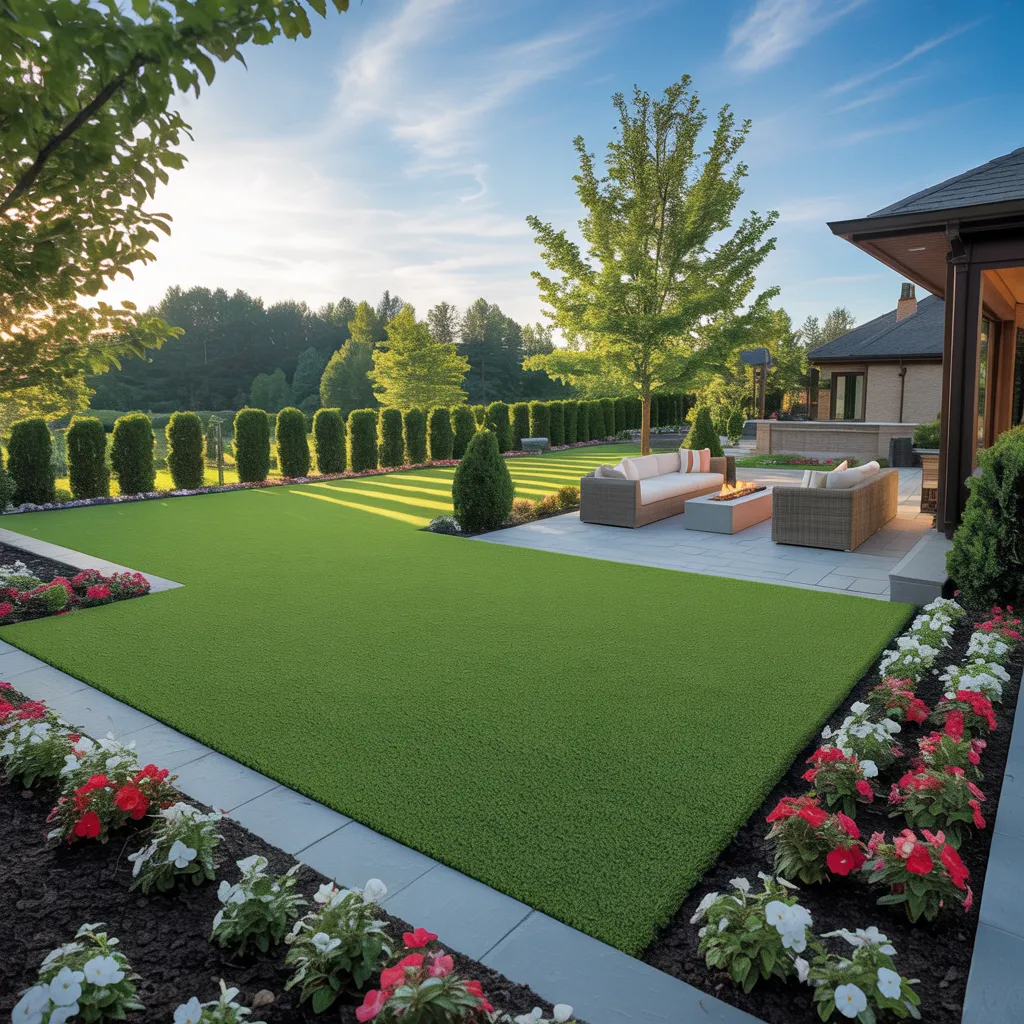
Many homeowners are increasingly opting for artificial grass thanks to its countless advantages. One of the primary advantages is its low maintenance requirements; synthetic grass removes the necessity of mowing, watering, and fertilizing, cutting down on both time and expenses. Additionally, it keeps its lush green appearance all year long, regardless of weather conditions, guaranteeing an attractive landscape at all times.
One other important benefit is its durability. Premium synthetic turf can withstand heavy foot traffic and is highly durable against daily wear, making it perfect for homes with active children and animals. In addition, it supports eco-friendly living by conserving water and reducing the need for chemical fertilizers and pesticides.
Additionally, artificial turf presents flexibility in aesthetics, permitting property owners to create practical areas such as activity areas, sports fields, or decorative gardens. This range of options positions it as an attractive option for a wide range of landscaping projects, boosting the visual appeal of homes.
Picking the Ideal Type of Artificial Grass for Your Situation
How does one determine the best kind of synthetic turf for individual purposes? First, it is essential to evaluate the planned application. Private garden areas may require a more natural and gentle look, while commercial spaces might emphasize long-lasting performance and minimal upkeep. Furthermore, evaluate the turf density and pile length. Higher density turf offers a luxurious aesthetic but may require more upkeep, while lower-profile options are simpler to maintain.
Moreover, the color and texture affect the overall appearance. Selecting a color that replicates natural grass boosts realism, while varying textures can increase durability under foot traffic. External conditions such as sunlight and climate conditions also have an impact; UV-protective choices are advisable in places with high UV levels.
Finally financial limitations must be taken into account, as costs differ significantly among the different varieties available. By evaluating these factors, homeowners can identify the most suitable artificial grass option designed to meet their unique demands.
Key Tools and Materials Needed for Installation
During the installation of artificial grass, having the right tools and materials is vital for achieving a professional finish. This part covers the key tools required, offers a checklist of required materials, and emphasizes the significance of safety equipment. Proper preparation guarantees a smoother installation process and elevates the final results.
Required Tools Overview
Prior to beginning an artificial grass installation project, gathering the necessary tools and materials beforehand is vital for a successful installation. Key tools include a sharp utility knife for accurate cutting, a tape measure for precise measurements, and a rake for leveling the ground. A shovel is necessary for removing existing vegetation and soil, while a compactor provides a solid foundation. Moreover, seam tape along with adhesive plays a vital role in binding turf pieces together smoothly. A rigid straight edge can assist in keeping precise lines throughout the installation. Finally, a stiff brush or broom is ideal for reviving the grass fibers after installation. Arming yourself with these essential tools will make the installation smoother and elevate the finished product.
Essential Materials Checklist
A proper synthetic turf installation relies on a thorough list of materials to ensure all necessary materials are on hand. Key materials include high-quality artificial grass, which should match the preferred look and longevity. A robust underlayment is necessary for cushioning and drainage, while infill substance, such as sand or rubber, adds weight and stability. Adhesives and seam tape are necessary for fastening seams, creating a uniform look. Garden fabric controls weed growth under the turf, enhancing longevity. Additionally, edge restraints, like plastic or metal borders, help maintain the lawn's shape. Finally, a reliable drainage system is vital to avoid water pooling. Preparing these materials in advance facilitates the installation procedure, supporting an effective upgrade of the outdoor space.
Safety Gear Requirements
Prior to starting an artificial turf installation project, possessing the appropriate safety equipment is crucial to ensure a smooth and protected workflow. Workers are advised to wear protective glasses to protect against sharp objects and debris. Industrial-grade gloves are necessary for shielding hands from cuts and abrasions while handling tools and grass materials. Reinforced boots deliver added foot safety, particularly when moving heavy objects. A protective helmet is recommended in areas where overhead dangers may exist. Additionally, knee pads can enhance comfort and safety when kneeling during installation. Hearing protection might be required when operating loud power equipment. By wearing these essential protective items, installers can lower risks and concentrate on completing the job.
Step-by-Step Guide to Installing Artificial Grass
The installation of artificial grass requires a series of clear, methodical steps that ensure a seamless transformation of any outdoor area. Initially, the installation zone must be carefully measured and marked, confirming precise measurements for the project. Subsequently, any present grass or waste materials should be cleared, after which digging is carried out to form a firm base. A bed of crushed rock or gravel is then applied to promote effective drainage.
Once the base is prepared, read about this a geotextile membrane can be laid down to prevent weed growth. The synthetic turf is unrolled, shaped to match, and firmly fixed using turf staples. Joins are secured with turf tape or glue for a flawless appearance. As a finishing step, infill material, such as rubber granules or sand, is applied to stabilise the turf and improve its look. Thorough brushing completes the process, keeping the grass fibers erect, producing a lush, natural-looking lawn ready to enjoy.
Frequent Installation Errors and How to Sidestep Them
Numerous pitfalls can arise during the fitting of fake lawn, that could negatively impact the end outcome. A frequent error involves inadequate site preparation, which can lead to uneven surfaces and drainage issues. Properly excavating the area and ensuring a solid base is essential for longevity. A further common mistake includes miscalculating the amount of material needed, leading to inadequate coverage or unnecessary waste. To avoid this, accurately measure the installation area and account for seams and contours.
In addition, failing to properly fasten the edges can cause the grass to lift or shift over time. Employing the right adhesives and anchoring techniques is essential. To conclude, neglecting to adequately brush or infill the turf can produce an unnatural finish and compromised lifespan. By proactively resolving these installation challenges, residents can accomplish a polished and visually stunning artificial lawn that transforms their outdoor environment.
What to Expect in Terms of Cost for Installation?
When thinking about synthetic turf installation, it is crucial to recognize the related expenses. This includes both the material costs for the turf and necessary components, as well as labor costs for professional setup. A precise budget will assist homeowners to make well-informed decisions about their outdoor landscaping investments.
Material Costs for Installation
Artificial grass installation involves several material costs that can vary widely based on factors such as quality and project size. The main cost is the artificial turf material, with prices ranging from $2 to $8 per square foot, depending on the material's durability and appearance. Furthermore, fill materials, including silica sand or rubber granules, generally range from $0.50 to $2 per square foot. Other necessary materials, including weed barriers, adhesive, and seam tape, could increase costs by $1 to $3 per square foot. On bigger projects, volume discounts may be offered, potentially lowering overall costs. Homeowners need to account for the cost of essential ground preparation materials, which may include gravel or decomposed granite, that can influence the total project expenditure.
Labor Expenses Overview
Labor fees play a significant role in the overall cost of artificial turf installation. These costs generally range from $5 to $15 per square foot, based on the scope of the project and the installer's expertise. Factors influencing labor expenses include ground preparation, the overall area size, and the variety of artificial turf chosen. When substantial grading or drainage measures are necessary, costs may increase. Additionally, hiring specialized contractors can raise the overall cost but may guarantee better quality and a longer-lasting installation. It is recommended that homeowners collect multiple bids to compare pricing and services offered, making sure they select a skilled contractor within their price range. Having knowledge of these labor fees can assist in organizing a successful artificial grass installation project.
Questions We Often Receive
How Long Will Artificial Grass Usually Last?
Artificial turf typically lasts 15 to 25 years on average, depending on factors such as installation quality, regular maintenance, and climate conditions. Proper care can enhance its lifespan, making it a durable choice for landscaping needs.
Is Artificial Grass Recyclable?
Artificial grass is indeed recyclable. A wide range of manufacturers and recycling facilities will take used turf, enabling it to be reused for a variety of purposes, including playground surfaces and landscaping applications, thus minimizing environmental impact while encouraging sustainability.
Is Fake Grass Safe for Pets?
Artificial grass is generally safe for pets, as it is non-toxic and does not contain harmful chemicals. However, pet owners should guarantee adequate drainage and upkeep to avoid odors and ensure a safe and clean environment for their pets.
Is Maintenance Required for Artificial Grass?
Synthetic turf requires significantly less maintenance in contrast to traditional grass. Common upkeep tasks involve light brushing from time to time, rinsing to remove debris, and checking seams for wear. Ultimately, it delivers a low-maintenance alternative whilst preserving a beautiful and appealing yard.
Can I Install Artificial Grass Over Existing Grass?
Yes, artificial grass may be laid over existing grass, but it's important to properly prepare the surface. This involves clearing away debris, making the ground even, and providing sufficient drainage to prevent future issues.